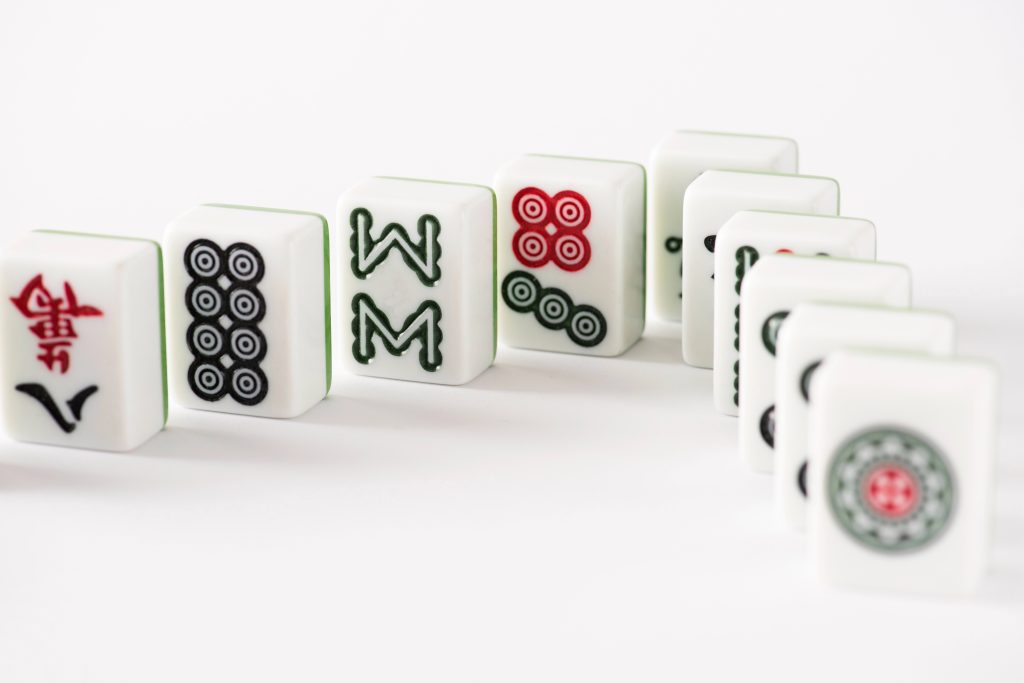
I recently joined a group of neighbors to learn Mahjong from an experienced player who has proven herself a formidable (and patient) teacher.
As a beginner, I’ve come to realize that Mahjong is more than a game of building a winning hand of tiles.
It’s also an apt paradigm for practicing and fine-tuning key leadership skills, like communication, decision-making, adaptability, and keeping a cool head under pressure.
How so?
Sharpening Four Leadership Skills Through Mahjong
1. Speaking the language strengthens clarity
In Mahjong, tiles come in a variety of colors and patterns. There are Dots, Bams, Craks, Winds, Dragons, Flowers, Soaps, and Jokers. The Charleston is a passing of tiles that occurs at the beginning of the game to fortify your hand. The unique nomenclature can feels endless and is akin to learning a new language.
Decisions about what hand to play and which tiles to discard begin to move more quickly when players speak and understand the same language. Like leading a team, mastering the language of the organization and team creates clarity, strengthens communication, and fosters alignment.
2. Navigating chaos with a clear head is essential to strategy
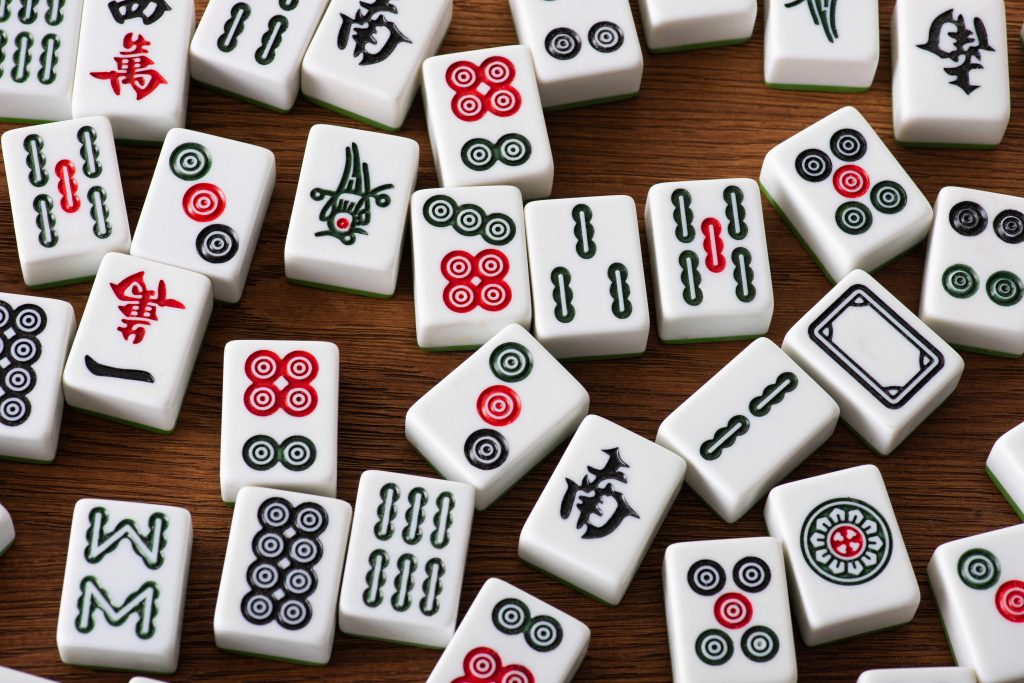
When the game begins, you start with a hand of 13 tiles that often looks like a disorganized mess. The initial instinct can be to feel overwhelmed or to force a specific outcome. You can’t control the tiles you’re dealt (or those that end up in the communal discard pile), but you can control how you organize the chaos into a viable strategy.
Like navigating organizational (or market) chaos, it’s usually more effective to pause, assess the situation carefully and understand the environment before making a hasty decision. At the same time, overthinking is ill-advised, as the conditions of “the board” can change at any moment.
3. Pivoting is uncomfortable and warranted
Perhaps the hardest lesson for a beginner is learning when to abandon a plan. You might be one tile away from a winning hand, only to see another player discard the very piece you needed, signaling they are closer to victory. Every time you discard a tile, you are taking a calculated risk. Is this piece safe, or will it hand your opponent the win?
Mahjong teaches us that holding onto a failing strategy is a quick way to lose. The risk-reward equation never stops.
Leadership is an ongoing cycle of these trade-offs. To succeed, you must be comfortable with the tension of uncertainty and let go of (aka “discard”) what no longer serves the goal.
4. Context is everything
Beginners often hyper-focus on their own hands, ignoring what others discard. By watching what others are “throwing away,” you gain insight into their needs and vulnerabilities.
The ability to view at a situation from your competitor’s or a peer’s point of view allows you to anticipate disruptions before they happen. Strong leaders know that zooming out often brings perspective and insight.
While you might not find yourself at a Mahjong table anytime soon, Mahjong offers some potent leadership lessons, not the least of which is how to exercise humility.
So, as you head into your work week, ask yourself:
- Am I speaking the language my team understands?
- Am I allowing decisions the appropriate time to percolate?
- Am I changing course when it’s warranted?
- Am I zooming out enough?
Here’s to a winning hand: “Mahjong!”
Share This Post:


Speak Your Mind